International business can seem like a labyrinth to navigate and among its most intricate puzzles? How international tax laws affect cross-border transactions. If you’re a business owner, freelancer, or anyone else engaged in global commerce, it’s important to understand them. These laws affect how much you pay, where you pay, and even if your deals are profitable. Here, we’ll delve into how international tax laws affect cross-border transactions, provide real-world advice, and demystify this too-often perplexing side of international business.
What Are International Tax Laws?
International tax laws are laws that regulate how taxes are implemented on dealings between several nations. They are established by governments and worldwide organizations such as the OECD (Organisation for Economic Co-operation and Development). Their objective? Avoid tax evasion, double taxation, and encourage fair trade.
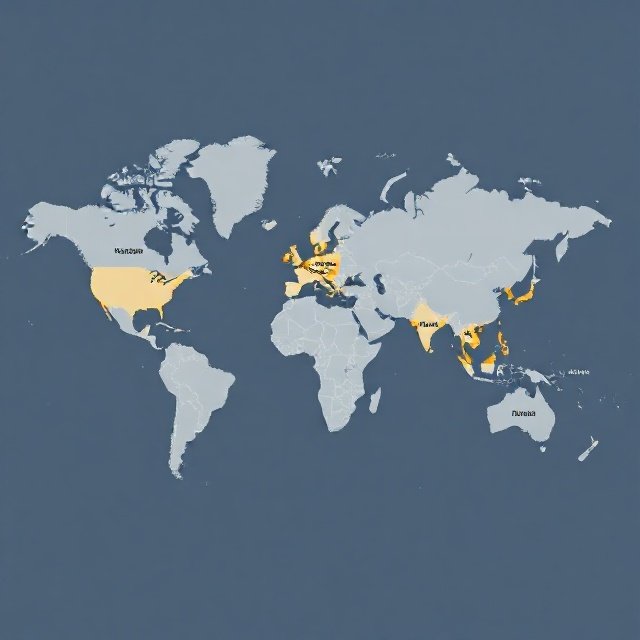
In what ways do international tax laws affect cross-border transactions?
1. Double Taxation and Double Tax Treaties
When conducting business beyond borders, double taxation—being taxed on the same earnings in two nations—is a great risk. To avert this, nations enter into double tax treaties, which dictate where and at what rate taxes must be paid. These agreements are crucial to avoid disputes and provide equitable taxation.
2. Transfer Pricing Regulations
If a multinational company sells goods or services between its own subsidiaries in different countries, transfer pricing laws come into play. These laws require transaction prices to be comparable to what independent parties would agree upon, preventing companies from shifting profits to lower-tax jurisdictions.
3. Tax Residency and Source Rules
It is essential to understand tax residency—where an individual or business is a tax resident—and source rules—where the income is earned. These rules establish which nation has taxing authority and significantly impact the amount of tax payable.
4. Withholding Taxes
In cross-border transactions, withholding taxes are usually levied by governments on payments such as dividends, interest, or royalties. These are withheld at the source and can impact cash flows and profitability.
Practical Advice for Dealing with International Tax Laws
Step 1: Know the Countries Involved
Start by acquainting yourself with both your home nation’s and the country where the transaction occurs tax laws. Use government websites or consult with tax professionals.
Step 2: Utilize Double Tax Treaties
See whether the countries involved have a treaty to prevent double taxation. The OECD’s Model Tax Convention is a useful guide to treaty articles.
Step 3: Know the Transfer Pricing Regulations
If you’re handling affiliated companies, make sure your transfer prices are aligned with local laws. Seek advice from a transfer pricing expert.
Step 4: Plan for Withholding Taxes
Consider withholding taxes in cross-border payment planning. In some cases, negotiating reduced rates or seeking exemptions can enhance cash flow.
Step 5: Keep Complete Records
Keeping detailed records of transactions, agreements, and tax returns can defend you in the event of audits or conflicts.
Step 6: Consult with a Professional
International tax regulations are complex and continuously changing. Working with international tax professionals or attorneys can save you money and prevent legal entanglements.
My Personal Journey with International Tax Laws
When I began my small import-export company, I underestimated how critical international tax treaties are. I encountered unforeseen withholding taxes and delays since I was uninformed about the treaties or source rules. After speaking with a tax professional, I became aware of treaties and appropriate documentation, and it really helped my cash flow and compliance. It was a learning experience, but one that showed me knowledge is power in global trade.
The Importance of Being Informed
International tax rules are dynamic. A change in treaty, regulation, or international agreement can affect your business in a night. Keeping yourself informed through recognized sources such as OECD or Tax Foundation is a must.
In conclusion, accept the complexities of life.
Learning how foreign tax regulations affect cross-border deals may at first appear daunting. However, with time, appropriate planning, and expert advice, you can successfully navigate this challenging landscape. Keep in mind, having the right information can save you money, avoid legal complications, and create opportunities for international expansion.
Are you seeking additional tips and insights?
Go to HavenPosts for more interesting articles on global business, finance, and legal solutions. Don’t hesitate to comment and share your thoughts!
References and External Resources
- OECD. (2023). OECD Model Tax Convention. https://www.oecd.org/tax/treaties/
- Tax Foundation. (2023). International Tax Guide. https://taxfoundation.org/ PwC. (2023).
- Global Tax Summaries. https://www.pwc.com/gx/en/services/tax.html – KPMG. (2023).
- International Tax & Regulatory Services. https://home.kpmg/xx/en/home/services/tax.html
